
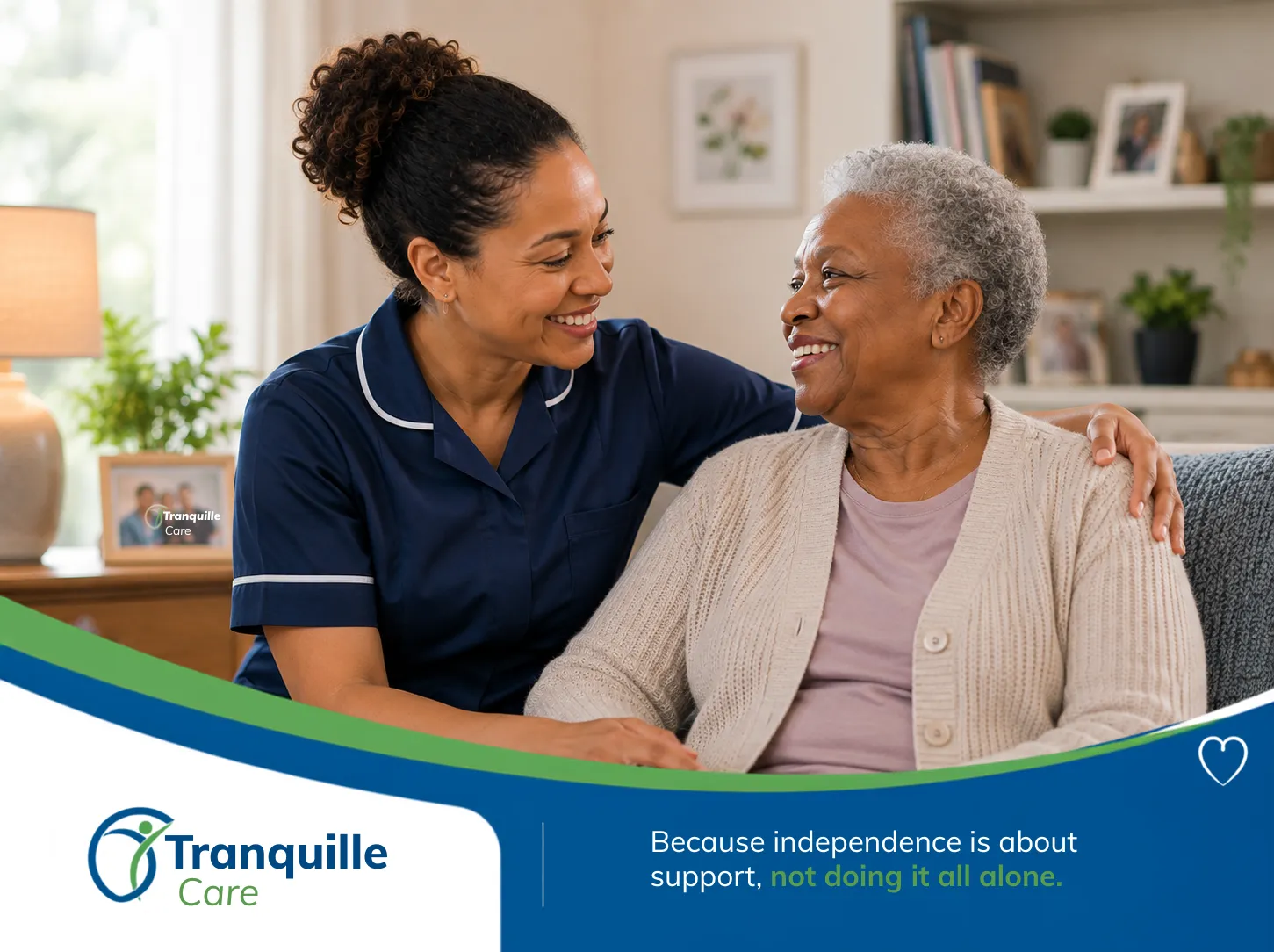
For most older adults, the desire to stay in their own home is incredibly strong — and with the right support in place, it’s absolutely achievable. Help an Older Loved One Stay Independent at Home isn’t about taking over. It’s about filling in the gaps, offering a helping hand with the tasks that have become harder, and making sure they feel safe, comfortable, and genuinely supported.
This guide walks you through the practical ways you can help — and how the right home support services can make an enormous difference to your loved one’s quality of life.
Why Staying at Home Matters So Much
Home is more than just a building. For older adults, home represents independence, familiarity, and identity. It’s where memories live, where routines have been built over decades, and where a sense of self is maintained.
Research consistently shows that older people who are able to remain in their own homes tend to experience better mental and emotional wellbeing. The comfort of familiar surroundings, maintaining daily routines, and staying connected to their local community all contribute to a better quality of life.
When an older person feels they’re losing their independence, it can have a real impact on their confidence and mood. The goal, therefore, isn’t simply to keep them physically safe — it’s to support them in living well on their own terms.
Recognising When Extra Support is Needed
Before jumping into solutions, it helps to understand what you’re actually looking for. The need for support often creeps up gradually, so it’s easy to miss the signs until things have progressed quite a bit.
Here are some things worth paying attention to during visits:
- The fridge and cupboards — Are they well stocked? Is there fresh food, or has a lot of it gone off?
- The state of the home — Is there a build-up of clutter, unwashed dishes, or dust that wouldn’t have been there before?
- Personal appearance — Has your loved one stopped bothering as much with their appearance or personal hygiene?
- Mood and energy — Do they seem withdrawn, lonely, or less engaged than usual?
- Mobility — Are they moving around comfortably, or do they seem unsteady on their feet?
- Bills and admin — Are letters piling up unopened? Are basic bills being managed?
None of these things on their own is necessarily a crisis, but together they can paint a picture of someone who is quietly struggling and could benefit from a little extra help.
The Most Impactful Ways to Support Independent Living
1. Companionship — Don’t Underestimate Its Power
Loneliness among older adults is far more common than most people realise, and its effects on health are serious. Regular social connection isn’t just a nice thing to have — it’s genuinely important for physical and mental health.
If you’re not able to visit as often as you’d like, companionship services for older adults can be a wonderful solution. A regular visitor who comes to share a cup of tea, have a chat, go for a short walk, or simply spend time together can completely transform the feel of a week for someone who otherwise spends long stretches of time alone.
Don’t underestimate what it means to have someone to talk to, laugh with, and share the small moments of a day. For many older people, this kind of connection is just as important as any practical help.
2. Help with Meal Preparation
Good nutrition is one of the most important factors in maintaining health as we age, yet it’s one of the first things that can slip. Standing in a kitchen for extended periods can become tiring or even painful. Managing shopping, planning meals, and cooking regularly takes energy that some older adults simply don’t have to spare.
Meal preparation support — whether through a regular carer, a family member, or a home support service — can make a significant difference. This doesn’t have to mean taking over entirely. Sometimes it’s about helping to plan simple, nutritious meals, doing some batch cooking, or simply making sure the kitchen is stocked with easy-to-prepare ingredients.
When older adults are eating well, the positive impact ripples out into every area of their health and wellbeing.
3. Housekeeping Support
Keeping on top of a home requires consistent effort, and as people age, tasks that were once straightforward — vacuuming, doing the laundry, cleaning the bathroom, changing bed sheets — can become genuinely difficult or unsafe.
Housekeeping support for older people isn’t about pride or giving up control. It’s practical. A clean, tidy home is a safer home — one with fewer trip hazards, better hygiene, and a more pleasant environment to spend time in.
Regular help with household tasks means your loved one can continue living in their own home without the stress and physical strain of trying to manage everything alone. Many older adults feel a real sense of relief when this kind of help is in place, even if they were initially reluctant to accept it.
4. Shopping Assistance
For many older adults, getting to the shops and carrying groceries home has become a challenge. This might be due to mobility issues, a lack of transport, or simply the exhaustion that can come with navigating busy supermarkets.
Shopping assistance for seniors — whether that’s accompanying them to the shops, doing the shopping on their behalf, or helping to manage online grocery orders — ensures they always have what they need at home. It also removes one of the most common reasons older people end up relying on convenience foods or going without essentials.
When your loved one has someone who can help with shopping regularly, it takes a significant worry off the table for both of them and for you.
5. Help with Appointments and Getting Out and About
Getting to GP appointments, hospital check-ups, the hairdresser, or social events becomes harder without access to a car or when mobility is limited. Many older adults quietly stop attending things they should — or would like to — simply because getting there feels too difficult.
Having someone to help with transport and accompany them to appointments means your loved one stays connected to healthcare, stays engaged with life outside the home, and doesn’t feel stranded.
This kind of practical support also gives you peace of mind, knowing that important appointments aren’t being missed.
Having the Conversation About Support
One of the most challenging parts of this whole process is the conversation itself. Many older adults are fiercely protective of their independence — understandably so — and the idea of accepting help can feel like an admission that things are getting worse.
Here are a few things to keep in mind when approaching this topic:
Lead with love, not worry. Frame the conversation around wanting them to continue living the life they love, rather than focusing on what’s going wrong.
Listen more than you talk. Ask what’s been feeling harder lately. What do they find frustrating? What would make a real difference? Letting them lead helps them feel in control.
Start small. You don’t have to overhaul everything at once. Introducing one form of support — a weekly shop, a regular visitor, help with the housework — allows your loved one to adjust gradually.
Acknowledge their feelings. It’s okay for this to feel complicated. Change is hard, especially when it touches on something as personal as independence.
Be patient. This might not be a one-conversation situation. That’s okay. Give it time.
The Role of Professional Home Support Services
While family members often provide a great deal of support, there are real limits to what’s sustainable long-term. Family carers can experience burnout, and older adults sometimes find it easier to accept help from someone outside the family — it can feel less loaded, less like a role reversal.
Professional home care support services can provide consistent, reliable help with all of the areas mentioned above: companionship, meal preparation, housekeeping, shopping, and more. The right service will work around your loved one’s preferences and routine, treating them with dignity and respect at every step.
When choosing a service, look for providers who take the time to properly understand your loved one’s needs, match them carefully with the right support worker, and offer flexibility as those needs change over time.
Creating a Support Plan That Works
Every older person is different, and there’s no one-size-fits-all approach to supporting ageing parents at home. A useful starting point is to map out:
- What tasks are becoming difficult or unsafe?
- What does your loved one value most about their independence?
- What does the family realistically have capacity to help with?
- Where would professional support be most valuable?
From there, you can build a support plan that covers the essentials, respects your loved one’s wishes, and is sustainable for everyone involved.
The Bigger Picture: Supporting Wellbeing, Not Just Safety
It’s easy to get caught up in practical logistics — meals, cleaning, shopping — and lose sight of the bigger picture. Supporting an older loved one at home is ultimately about supporting their whole quality of life: their happiness, their dignity, their sense of purpose, and their connection to the world around them.
The best kind of support does all of this. It gives your loved one the confidence to keep doing the things they love, the security of knowing they’re not alone, and the freedom to continue living life on their own terms — just with a little more help along the way.
Final Thoughts
Helping an older loved one stay independent at home is one of the most meaningful things you can do for them. It takes thought, patience, and often some outside help — but the difference it makes to their daily life and to your own peace of mind is immeasurable.
If you’re unsure where to start, begin with a conversation. Find out what your loved one needs most, explore the options available to you, and take it one step at a time. With the right support in place, home can remain exactly what it should be — a place of comfort, familiarity, and genuine independence.
Need advice on how to start the conversation with your parents? Contact our care team for personalised advice.